
IELTS Writing Tips Blog by WritingChex

Top Podcasts for IELTS Listening Practice
In the competitive world of IELTS preparation, mastering listening skills is crucial. This blog explores top podcasts for IELTS listening, offering insights, statistics, and practical tips to enhance your performance.

What is a Positive and Negative Paragraph?
In IELTS Writing Task 2, mastering the positive paragraph and negative paragraph is essential for discussing advantages, disadvantages, or developments. This guide explores their definitions, structures, and tips to enhance your essay scores, helping you achieve a balanced and coherent response.

The Ultimate IELTS Preparation Guide 2025: Everything You Need to Know to Score 7.0+
This comprehensive 2025 guide covers every aspect of the IELTS exam: formats, registration, costs, preparation resources, band score requirements, practice tests, coaching options, and the latest trends you need to know right now.

General Time Management Tips for IELTS Exam Day
Effective IELTS time management is crucial for achieving your target band score on exam day. This guide offers practical tips to handle the test’s timed sections, helping you stay calm and focused throughout.

IELTS Writing Task 2: Argumentative Essay Strategies
Argumentative essay strategies are essential for excelling in IELTS Writing Task 2. This guide explores proven methods to structure your response, build strong arguments, and avoid common pitfalls, helping you boost your overall band score.

Top 10 Common Mistakes in IELTS Listening and How to Avoid Them
Preparing for IELTS? Avoid common mistakes in IELTS Listening that derail your score. This guide covers the top 10 errors, from spelling blunders to distraction pitfalls, with practical avoidance strategies to help you achieve a band 7+.
IELTS Writing Task 2 Sample Answers
Mastering IELTS Writing Task 2 is key to achieving your target band score. Explore high-scoring sample answers, practice questions, and expert strategies to improve your essay writing skills. Use our free IELTS writing checker to get instant feedback and elevate your performance.

30-day Study Plan for IELTS Writing
Preparing for the IELTS Writing section in just 30 days is achievable with a structured plan. This guide outlines actionable steps to improve your essay writing, boost vocabulary, and master task requirements for both IELTS Academic and General Training modules. Perfect for test-takers aiming for a high band score!
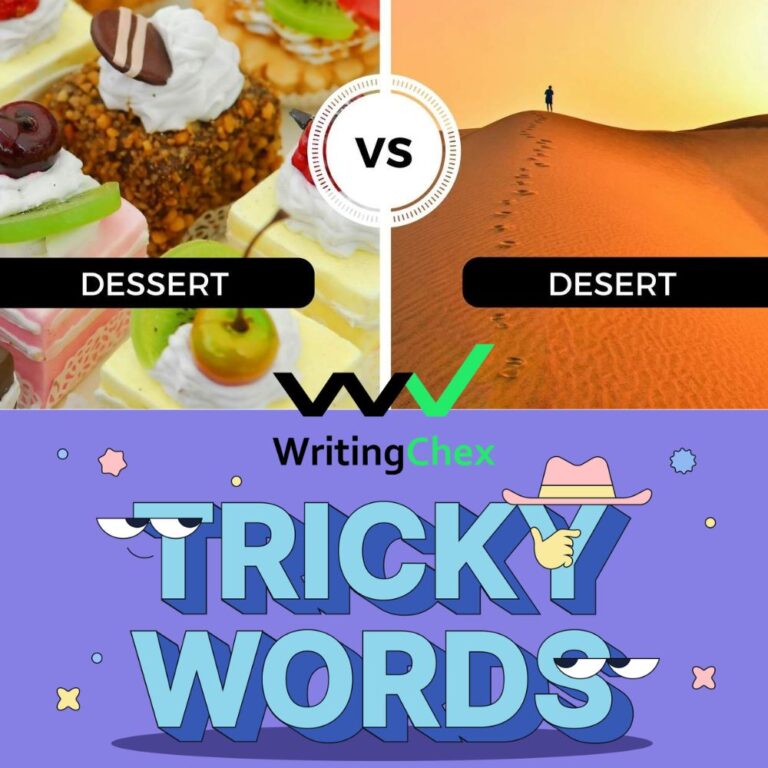
12 Tricky Words for IELTS Writing Success
Mastering tricky English words is crucial for excelling in IELTS Writing. This guide explores 12 commonly confused words, their meanings, and practical tips to use them effectively in your essays. Boost your IELTS band score with clear, accurate vocabulary!
IELTS Synonyms: How to Paraphrase Using Synonyms for Exam Success
Mastering IELTS synonyms is key to excelling in the IELTS Reading, Writing, and Speaking sections. Paraphrasing with synonyms enhances your vocabulary, improves coherence, and boosts your band score. This comprehensive guide explores the importance of synonyms, provides practical tips, and includes a downloadable PDF with a curated list of high-frequency IELTS synonyms to help you succeed.