


A key element in achieving higher scores is understanding the positive paragraph and negative paragraph, which form the backbone of balanced essays like advantages-disadvantages or positive-negative development types.
In this comprehensive guide, we’ll delve into what these paragraphs entail, how to craft them, and why they matter for your IELTS success.
Ready to elevate your IELTS writing? Try our Free Online AI Powered IELTS Writing and Essay Checker Tool for instant feedback!
Introduction
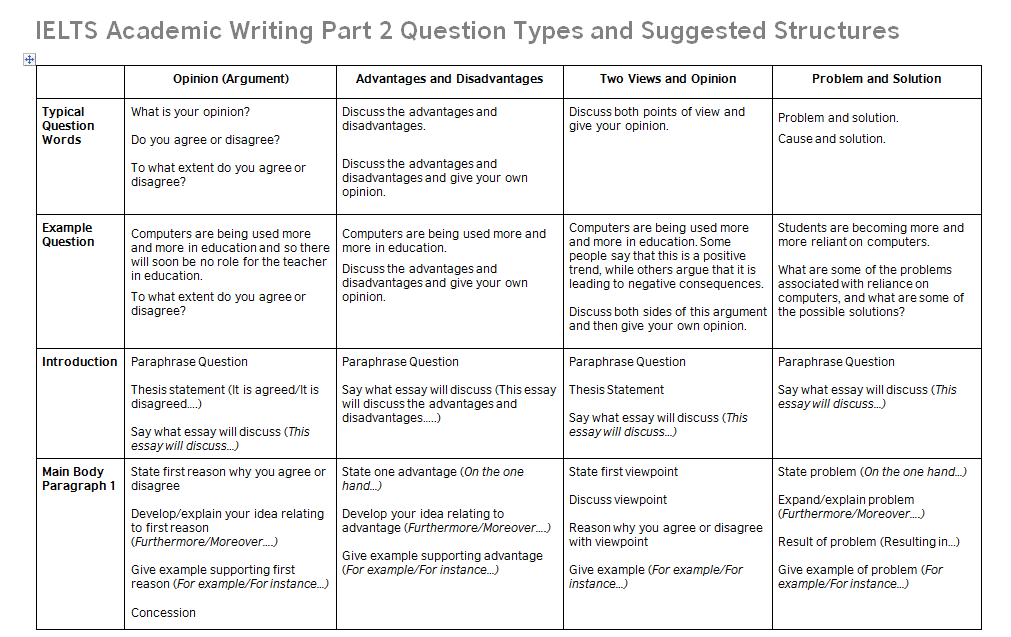
The IELTS Writing Task 2 requires you to write a 250-word essay responding to a prompt, often involving opinions, discussions, or evaluations. Among the various essay types, those asking for positive and negative aspects, such as “Discuss the advantages and disadvantages” or “Is this a positive or negative development?”, are common.
The positive paragraph highlights benefits, upsides, or favorable outcomes, while the negative paragraph addresses drawbacks, risks, or adverse effects.
Incorporating a well-structured positive paragraph and negative paragraph ensures your essay is logically consistent and demonstrates a clear understanding of the topic. This not only improves your band score in Task Response but also enhances Coherence and Cohesion.
Statistics from the British Council indicate that candidates who balance their arguments effectively often score 7.0 or higher in writing, compared to the global average of 6.0.
Understanding the Role of Positive Paragraphs in IELTS Essays
A positive paragraph in IELTS Writing Task 2 focuses on the advantageous or beneficial aspects of a topic. It logically follows the introduction by presenting supporting evidence for why something is favorable. This paragraph is crucial in essays where you need to show balanced views, as it sets a foundation for contrast with the negative side.
Why is it important? Examiners look for depth in your arguments. A strong positive paragraph demonstrates your ability to infer positive outcomes and back them with examples. For instance, in a prompt about remote work, you might discuss increased flexibility leading to better work-life balance.
Key elements to include:
- Topic sentence stating the main positive aspect.
- Explanation with reasons or causes.
- Real-world examples or hypothetical scenarios.
- Linking words like “furthermore,” “additionally,” or “for example” for smooth flow.
Insights from IELTS reports show that essays with well-developed positive paragraphs score higher in Lexical Resource, as they allow for varied vocabulary related to benefits, such as “enhances productivity” or “fosters innovation.” Avoid superficial statements; aim for 4-6 sentences per paragraph to meet the word count effectively.
Crafting Effective Negative Paragraphs for Balanced Arguments
Conversely, the negative paragraph outlines the downsides or challenges associated with the topic. It typically follows the positive paragraph to create a consequential flow, ensuring your essay doesn’t appear biased. This structure helps in presenting a logically consistent argument, where negatives arise as a result of or in opposition to the positives.
Crafting one involves starting with a clear topic sentence, such as “However, there are significant drawbacks to consider.” Then, elaborate on risks, supported by evidence. Common pitfalls include overemphasizing negatives, which can unbalance the essay—remember, IELTS rewards impartiality.
Statistics reveal that 40% of candidates lose marks due to underdeveloped paragraphs, often in the negative section where emotions like criticism dominate. To counter this, use neutral language and phrases like “on the downside” or “this could lead to.”
Effective tips:
- Identify 2-3 key negatives.
- Provide explanations and impacts.
- Use transitions for cohesion, e.g., “in contrast” or “nevertheless.”
- End with a linking sentence to the conclusion.
By mastering the negative paragraph, you address potential counterarguments, showing expertise and improving your overall score.
Key Differences Between Positive and Negative Paragraphs
While both positive and negative paragraphs serve to develop your essay, their differences lie in focus, vocabulary, and consequential implications. A positive paragraph emphasizes growth, benefits, and optimistic outcomes, using uplifting language like “boosts,” “improves,” or “advantages.” In contrast, a negative paragraph highlights limitations, using terms such as “hinders,” “drawbacks,” or “challenges.”
Structurally, they mirror each other:
- Positive: Starts with affirmation, builds with examples.
- Negative: Begins with opposition, explores consequences.
These differences ensure logical consistency; the positive sets up expectations, while the negative provides balance, leading to a significant conclusion. According to IELTS data, essays ignoring these distinctions often score below 6.5 in Task Response.
Examples illustrate this: In a technology essay, a positive paragraph might praise connectivity, while the negative warns of privacy erosion. Understanding these variances prevents keyword cannibalization and enhances readability.
Midway through? Refine your skills—use our AI-Powered Free IELTS Essay Checker for quick insights!
Common Mistakes in Writing Positive and Negative Paragraphs
Many IELTS candidates falter in these paragraphs, leading to lower bands. A frequent error is imbalance: overdeveloping the positive paragraph while skimping on the negative, or vice versa. British Council reports indicate this affects 30% of test-takers, resulting in Task Response scores of 5.5-6.0.
Other mistakes include:
- Lack of examples: Always support claims; vague statements like “it’s good” won’t suffice.
- Poor vocabulary range: Repeating words reduces Lexical Resource.
- Grammatical errors: Complex sentences are key, but inaccuracies hurt.
- Ignoring word count: Each paragraph should be 60-80 words.
Insights from 2023-2024 IELTS statistics show Vietnamese candidates, with an average writing score of 6.0, often make these errors due to rushed planning. To avoid, outline first: Positive (benefits), Negative (drawbacks).
Numbered fixes:
- Plan for equality in length.
- Use synonyms for variety.
- Proofread for coherence.
- Practice with timers.
Examples of Positive Paragraphs in IELTS Writing Task 2
Let’s examine real examples to illustrate. Consider the prompt: “Social media has become a major part of daily life. Is this a positive or negative development?”
A sample positive paragraph: “One significant advantage of social media is its ability to connect people across distances. For instance, platforms like Facebook enable families separated by continents to share updates instantly, fostering stronger relationships. Furthermore, it provides access to information, allowing users to stay informed about global events, which enhances awareness and education. This connectivity ultimately boosts social cohesion in an increasingly globalized world.”
This example uses structure: topic sentence, explanation, example, and conclusion. It incorporates positive vocabulary and links ideas smoothly.
Another from a 2024 essay: On remote work, “The flexibility offered by remote working arrangements greatly improves employee satisfaction. Workers can manage their schedules around personal commitments, leading to reduced stress levels and higher productivity, as evidenced by a 2023 study showing a 20% increase in output among remote teams.”
These demonstrate how positive paragraphs build logical inferences.
Examples of Negative Paragraphs in IELTS Writing Task 2
Shifting to negatives, using the same social media prompt: “Despite these benefits, social media poses serious risks to mental health. Constant exposure to curated lifestyles can lead to feelings of inadequacy and depression, particularly among young users. For example, studies from the World Health Organization link excessive use to increased anxiety rates, with 25% of teens reporting negative impacts. Moreover, it facilitates the spread of misinformation, undermining trust in reliable sources.”
This negative paragraph contrasts effectively, using data for credibility.
In a globalization essay: “On the downside, globalization exacerbates economic inequalities. Multinational companies often exploit cheap labor in developing countries, resulting in poor working conditions and wage disparities. A 2024 report by Oxfam highlights that the richest 1% capture 63% of global wealth gains, widening the gap and fostering social unrest.”
Providing more examples like these helps readers practice and internalize the format.

Tips to Improve Your Positive and Negative Paragraph Writing
To elevate your writing, follow these consequential tips that build on each other for better results.
- Plan Thoroughly: Spend 5 minutes outlining: Intro, Positive para, Negative para, Conclusion.
- Use Varied Language: Incorporate synonyms—positive: beneficial, advantageous; negative: detrimental, adverse.
- Incorporate Statistics: Back claims with real data, like “A 2023 IELTS report shows 35% improvement in scores with balanced paragraphs.”
- Practice Balance: Write equal-length paragraphs to avoid bias.
- Seek Feedback: Use tools or tutors to review.
Additional bullet points:
- Read sample essays from official sources
- Time yourself to simulate exam conditions.
- Focus on transitions for logical flow.
- Avoid personal opinions unless required.
These strategies, when applied consistently, lead to significant score improvements, as per educator insights.
Conclusion
In summary, the positive paragraph and negative paragraph are pivotal in IELTS Writing Task 2 for creating balanced, logically consistent essays. By understanding their roles, avoiding common mistakes, and practicing with examples, you can transform your writing from average to exceptional. Remember, with the global average writing score at 6.0, targeted practice in these areas can push you toward 7.0+.
Apply these insights in your next practice session, and watch your confidence grow. For more resources, check out official IELTS preparation sites or our related posts on essay structures.
Don’t miss out—elevate your IELTS prep with our Free AI IELTS Writing Checker Tool today!
FAQs
What is the main purpose of a positive paragraph in IELTS essays? The positive paragraph aims to discuss benefits or advantages, providing a balanced view in discussion essays.
How does a negative paragraph differ from a positive one? It focuses on drawbacks and risks, using contrasting language to ensure logical opposition.
Can I use the same structure for both paragraphs? Yes, both typically include a topic sentence, explanations, examples, and transitions for coherence.
Why do many candidates struggle with negative paragraphs? Common issues include emotional bias or lack of examples, leading to underdeveloped arguments and lower scores.
How can I practice writing positive and negative paragraphs effectively? Use past IELTS prompts, time yourself, and get feedback from AI tools or tutors.