

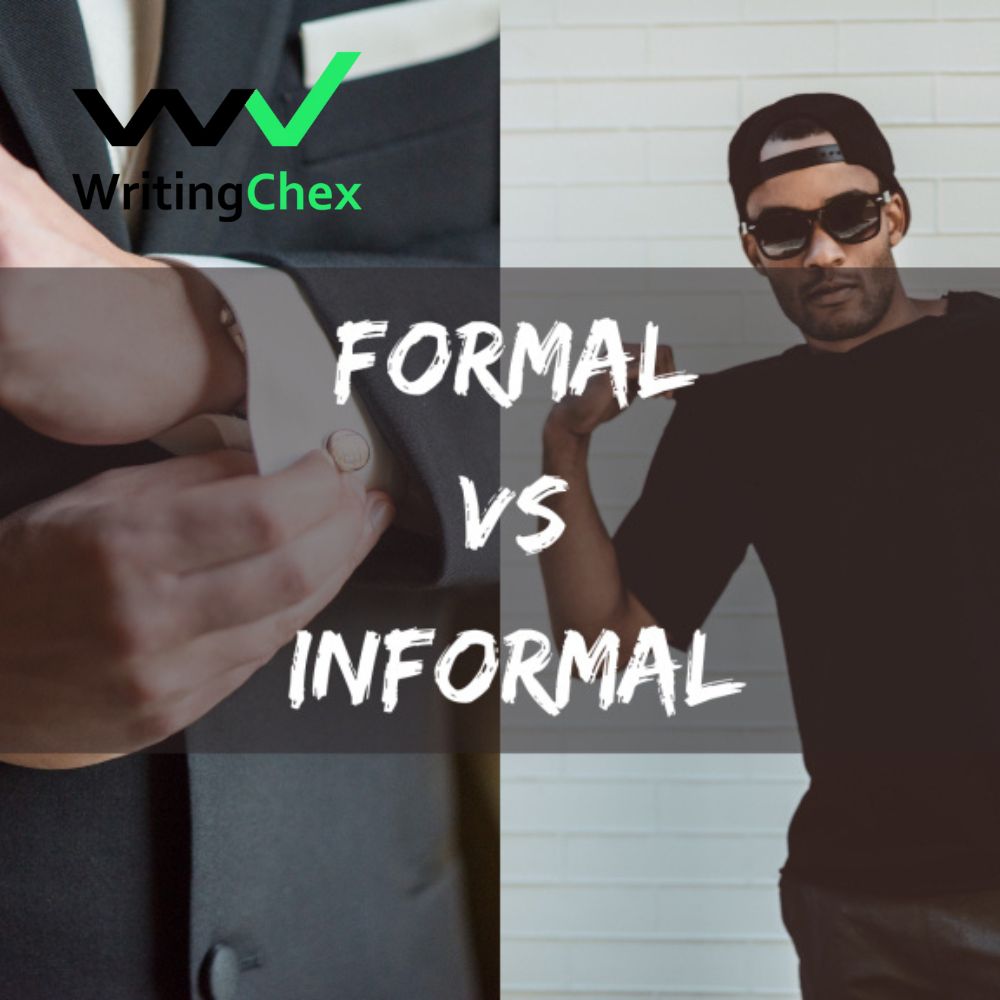
IELTS formal vs informal writing is a fundamental concept that every test taker must grasp to excel in the exam. The IELTS Writing Test evaluates your ability to communicate effectively in English, and using the appropriate register—formal or informal—can significantly impact your band score.
In the Academic module, Task 1 requires describing visual data formally, while Task 2 demands a structured essay on a topic. For General Training, Task 1 involves letter writing, which could be formal, semi-formal, or informal depending on the recipient, and Task 2 is similar to Academic.
Many candidates struggle with this distinction, leading to lower scores in lexical resource and grammatical range. According to recent IELTS statistics from 2024-2025, the global mean overall band score for Academic test takers is around 6.3, with Writing often being the lowest at 5.9 on average. This highlights the need for targeted practice.
Formal writing maintains a professional tone, avoiding contractions and slang, while informal allows for casual expressions. For instance, in a formal essay, you might write “It is recommended that,” whereas informally, “I’d suggest” could suffice in a personal letter. Misusing these can confuse examiners and deduct points.
Master the Basics of IELTS Writing Tasks for Higher Scores
To achieve a higher band score, start by understanding the structure of the IELTS Writing Test. The test lasts 60 minutes, with Task 1 (150 words) and Task 2 (250 words) carrying different weights—Task 2 is worth twice as much.
- Academic Module: Task 1 involves describing charts, graphs, or processes formally. Task 2 requires an opinion essay or discussion.
- General Training Module: Task 1 is a letter (formal for officials, informal for friends). Task 2 mirrors Academic.
In 2025 data, female test takers slightly outperformed males with a mean Writing score of 6.0 versus 5.8, emphasizing the value of precise language use. Always aim for formality unless specified otherwise in General Training letters.
For success:
- Analyze the prompt carefully.
- Plan your response in 5 minutes.
- Use topic sentences for clarity.
This foundation helps you decide on formal vs informal tones effectively.
Identify Formal Language Features to Elevate Your Essays
Formal language in IELTS formal vs informal writing elevates your essays by demonstrating sophistication. It uses precise vocabulary, passive voice, and complex structures.
Key features include:
- No contractions: Write “do not” instead of “don’t.”
- Impersonal tone: Avoid “I think”; use “It is believed that.”
- Academic connectors: “Furthermore,” “However,” not “And” or “But.”
For example, in Task 2: “The government should implement stricter regulations” (formal) vs. “Govt needs to get tougher” (informal—avoid this).
Statistics show that candidates using formal features score 0.5 bands higher on average.
Practice by rewriting informal sentences formally to build this skill.

Differences between Formal vs. Informal Letters
Avoid Informal Pitfalls That Lower Your Band Score
Recognizing informal elements is key to avoiding score reductions in IELTS formal vs informal writing. Informal writing includes slang, emojis, or personal anecdotes irrelevant to the task.
Common pitfalls:
- Contractions and abbreviations: “Can’t” or “e.g.” in formal contexts.
- Colloquialisms: “Gonna” instead of “going to.”
- Overly simple sentences: Short, choppy structures lack range.
In a real example from IDP, a candidate wrote “Hey boss, I need time off” in a formal letter, dropping to band 5. In 2026, with average Writing scores at 5.9 in India, steering clear of these boosts your percentile.
To decide: If the audience is unknown or professional, go formal. Use tools like grammar checkers for practice.
| Informal Pitfall | Formal Alternative | Impact on Score |
|---|---|---|
| “I reckon it’s bad” | “It is evident that this is detrimental” | Improves lexical resource |
| “Stuff like that” | “Elements such as these” | Enhances coherence |
| “You know?” | Omit rhetorical questions | Boosts grammatical accuracy |
Choose Vocabulary Wisely for Formal Tone Mastery
Vocabulary selection is pivotal in IELTS formal vs informal writing. Formal words are precise and academic, while informal are casual.
Tips for mastery:
- Use synonyms: “Assist” over “help.”
- Avoid phrasal verbs: “Investigate” instead of “look into.”
- Incorporate LSI terms: “Band score improvement,” “essay structure.”
Real example: Formal – “The data indicates a rise”; Informal – “The numbers go up.” The former scores higher for range.
Structure Sentences Effectively for Coherent Writing
Effective sentence structures distinguish IELTS formal vs informal writing. Formal uses compound-complex sentences for depth.
Strategies:
- Vary length: Mix short for impact, long for explanation.
- Passive voice: “Measures should be taken” for objectivity.
- Connectors: “In addition,” “Conversely.”
Example: Informal – “Kids use phones too much. It’s bad.”; Formal – “Excessive smartphone usage among children has been linked to negative health outcomes, as evidenced by recent studies.”
Get Personalized Feedback with WritingChex to Improve Quickly
To rapidly improve your IELTS formal vs informal writing, leverage WritingChex—the free IELTS writing checker tool that delivers personalized feedback. It analyzes your essays for tone, vocabulary, and structure, highlighting strengths and weaknesses.
Benefits include:
- Instant band score estimates.
- Suggestions on formalizing informal elements.
- Tailored to Academic or General Training.
Whether aiming for band 7 or higher, WritingChex points out issues like contractions in formal tasks. Start today at writingchex.com for free, forever, and see measurable progress.
Simulate Real IELTS Exams Using WritingChex for Confidence
Build exam confidence by simulating real IELTS scenarios with WritingChex. Its free simulations mimic the test’s timing and format, helping you practice IELTS formal vs informal writing under pressure.
Key outputs:
- Realistic Task 1 and 2 prompts.
- Detailed feedback on register errors.
- Progress tracking for band improvement.
In 2026, with global test takers exceeding 4 million, such practice is essential. WritingChex provides unlimited access, making it a game-changer for achieving your best score. Visit writingchex.com now and transform your preparation.
Conclusion
Mastering IELTS formal vs informal writing is your pathway to a competitive band score in 2026. By applying the strategies outlined—from identifying formal features to avoiding informal pitfalls—you can enhance coherence, vocabulary, and grammar. Remember, with average global Writing scores hovering at 5.9-6.0, consistent practice sets you apart.
For ultimate success, integrate WritingChex into your routine. This free tool offers personalized IELTS writing feedback and exam simulations, helping you refine your skills efficiently. Whether targeting study abroad or migration, start practicing at writingchex.com today—it’s completely free and designed for IELTS aspirants like you. Achieve your dream score with confidence.
FAQ
What is the main difference between formal and informal writing in IELTS?
Formal writing uses precise, impersonal language without contractions, ideal for essays and official letters. Informal allows casual expressions for personal letters. Misusing them can lower your score by 0.5-1 band.
How can I identify if a General Training letter should be formal or informal?
Check the recipient: Formal for authorities or strangers (e.g., “Dear Sir/Madam”); informal for friends (e.g., “Dear John”). Always match the tone to the prompt for better task achievement.
Why is formal language preferred in IELTS Academic Writing?
It demonstrates academic proficiency, boosting lexical and grammatical scores. In 2025, candidates using formal structures averaged 6.5 in Writing, per official stats.
What are common informal mistakes to avoid in Task 2?
Avoid slang like “cool” or contractions like “it’s.” Use full forms and academic synonyms instead to maintain professionalism.
How does vocabulary differ in IELTS formal vs informal writing?
Formal vocabulary is sophisticated (e.g., “utilize” vs. “use”); informal is everyday. Choose based on context for higher lexical resource bands.
Can using informal language ever be appropriate in IELTS?
Yes, in General Training informal letters to friends. Otherwise, stick to formal to avoid penalties.
How can WritingChex help with IELTS formal vs informal writing?
It provides free, personalized feedback on tone, helping you correct informal slips and improve formally. Simulate exams for real practice.
What is the average IELTS Writing score in 2026?
Based on 2024-2025 data, it’s around 5.9-6.0 globally, with variations by country like 5.9 in India. Focus on formality to exceed this.
How many words should I aim for in IELTS Writing Tasks?
Task 1: At least 150; Task 2: At least 250. Quality over quantity, but under-length penalizes.