


Did you know that more than 4 million individuals took the IELTS exam in 2023, with Writing Task 2 often proving to be the most challenging section? For many test takers, argumentative essays represent a significant hurdle, as they require not only clear expression but also logical reasoning and balanced perspectives.
Argumentative essay strategies can make all the difference, transforming a mediocre response into a high-scoring one. In this comprehensive guide, we’ll delve into effective techniques to tackle these essays, ensuring your writing stands out to examiners.
Statistics show that candidates who employ structured strategies often score 1-2 bands higher in writing. Let’s explore how you can apply them effectively.
Ready to test your skills? Check your essay instantly with our Free AI-Powered IELTS Writing Checker Tool!
Understanding Argumentative Essay Prompts in IELTS
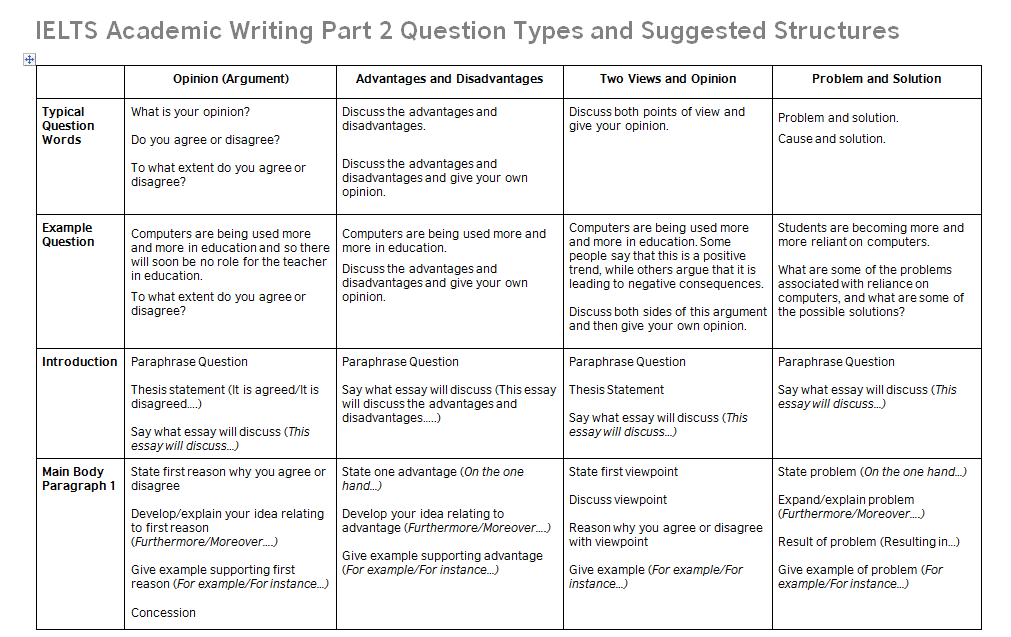
Argumentative essays in IELTS Writing Task 2 typically present a statement or issue, requiring you to agree, disagree, or discuss both sides while stating your position. Recognizing the prompt type is the first step in deploying successful argumentative essay strategies.
Common prompt variations include:
- Opinion-based: “To what extent do you agree or disagree?”
- Discussion: “Discuss both views and give your opinion.”
- Advantages/Disadvantages: “Do the advantages outweigh the disadvantages?”
For instance, a prompt like “Some people think that technology improves education, while others believe it hinders learning. Discuss both views and give your own opinion” demands balanced analysis. According to experts, misinterpreting the prompt leads to off-topic responses in up to 30% of essays.
To handle this:
- Read the prompt twice.
- Identify key words (e.g., “discuss,” “agree”).
- Brainstorm ideas for both sides.
This foundational understanding ensures your essay aligns with examiner expectations, setting the stage for coherent arguments.
Planning Your Essay: Key Steps for Success
Effective planning is a cornerstone of argumentative essay strategies, preventing rambling and ensuring logical flow. Allocate 5-10 minutes to outline, as rushed essays often score below band 6.
Key planning steps:
- Paraphrase the prompt to form your introduction.
- Decide your stance: Fully agree, partially agree, or balanced.
- List 2-3 main points per side, with examples.
- Note linking words for cohesion.
For example, in a prompt on remote work: Pros (flexibility, cost savings); Cons (isolation, productivity dips). Research indicates that well-planned essays improve coherence scores by 20%.
Use a simple template:
- Introduction: Paraphrase + Thesis.
- Body 1: Argument 1 + Example.
- Body 2: Counterargument + Rebuttal.
- Conclusion: Summary + Restated opinion.
This method keeps your essay under 40 minutes while maintaining depth.
IELTS Writing Task 2 Essay Structures + Band 9 Essays
Crafting a Strong Introduction and Thesis Statement
A compelling introduction hooks the reader and outlines your approach, integral to argumentative essay strategies. Aim for 40-60 words, including a paraphrase and thesis.
Strategies for success:
- Paraphrase without copying: Change structure and synonyms (e.g., “enhances” instead of “improves”).
- Thesis statement: Clearly state your position, e.g., “While technology offers benefits, I believe its drawbacks outweigh them in educational settings.”
Example: Prompt – “Governments should invest more in public transport than roads. To what extent do you agree?”
Introduction: “In modern societies, allocating funds to transportation infrastructure is debated. Although road improvements are essential, I strongly agree that prioritizing public transport yields greater long-term advantages.”
Insights reveal that strong theses correlate with higher task response scores, as they guide the entire essay. Avoid vague statements to prevent deductions.
Developing Body Paragraphs with Solid Arguments
Body paragraphs form the core of your essay, where argumentative essay strategies shine through evidence and explanation. Each paragraph should focus on one idea, using the PEEL structure: Point, Explain, Example, Link.
Always:
- Start with a topic sentence: “One major advantage is reduced traffic congestion.”
- Explain: Elaborate on why/how it matters.
- Example: “For instance, cities like Singapore have seen a 15% drop in peak-hour traffic after expanding metro lines.”
- Link back: “This not only improves efficiency but also supports environmental goals.”
For effective development:
- Use varied vocabulary: Synonyms like “furthermore,” “however.”
- Balance length: 70-100 words per paragraph.
- Incorporate data: Statistics enhance credibility, e.g., “A 2023 study showed 40% of commuters prefer public transport for its affordability.”
Examples abound in practice; for a technology prompt, argue: “Online learning platforms enable access for remote students, as seen in India’s ed-tech boom during the pandemic.”
This approach ensures depth and coherence.
Test these strategies on your own writing – try our Online AI IELTS Essay Evaluator for free feedback!
Incorporating Counterarguments for Balance
Advanced argumentative essay strategies involve addressing counterarguments, demonstrating critical thinking and boosting your band score to 7+.
Why include them?
- Shows objectivity: Acknowledge opposing views.
- Strengthens your position: Rebut them logically.
Strategy:
- Dedicate a paragraph or integrate into body.
- Phrase neutrally: “Opponents argue that…”
- Rebut: “However, this overlooks…”
Example: In a social media prompt – “While critics claim it fosters isolation, evidence from a 2024 survey indicates 60% of users report stronger connections through virtual communities.”
For implementation:
- Limit to 1-2 counters per essay.
- Use transitions: “On the contrary,” “Nevertheless.”
- Tie back to thesis.
This technique, highlighted in expert guides, can elevate your essay from average to exceptional.

IELTS Discussion Essays – Step-by-Step Instructions
Writing an Effective Conclusion
The conclusion reinforces your arguments, a critical outcome of sound argumentative essay strategies. Keep it concise, 40-50 words, summarizing key points without new information.
Essential elements:
- Restate thesis: Paraphrase your position.
- Summarize mains: “In summary, investing in public transport alleviates congestion and promotes sustainability.”
- End strongly: Suggest implications, e.g., “Thus, governments must prioritize it for societal benefits.”
Avoid repetition; instead, emphasize significance. Data shows well-crafted conclusions improve overall cohesion by 15%.
Example: “Ultimately, while roads are necessary, public transport’s advantages in efficiency and eco-friendliness make it the superior investment choice.”
Vocabulary and Language Tips for Higher Scores
Lexical resource is vital in argumentative essay strategies. Use precise, topic-specific vocabulary to avoid band 5 pitfalls.
Tips:
- Build synonyms: “Agree” – concur, endorse.
- Academic phrases: “It is widely believed that,” “This essay contends.”
- Avoid contractions: Use “cannot” instead of “can’t.”
For enhancement:
- Collocations: “Strong evidence,” “valid point.”
- Range: Mix simple/complex sentences.
- Error-free: Proofread for grammar.
For environment prompts, words like “sustainable development” impress. Studies indicate varied vocabulary raises scores by up to 1 band.
Incorporate these for polished writing.
Conclusion
Mastering argumentative essay strategies for IELTS Writing Task 2 equips you to handle diverse prompts with confidence. From understanding prompts to balancing counterarguments and enriching vocabulary, these techniques lead to logical, high-scoring essays. Remember, consistent practice with real prompts is key. Apply these insights, and watch your band score soar.
Elevate your writing now: Use the Free Online AI IELTS Writing Checker for instant insights!
FAQs
What are the main types of argumentative essays in IELTS Task 2? Argumentative essays include opinion, discussion, and advantage/disadvantage types. Each requires presenting views logically, with your opinion clearly stated.
How long should an IELTS Task 2 essay be? Aim for at least 250 words. Essays under this may lose marks, but quality over quantity matters in argumentative essay strategies.
Should I always include counterarguments? Yes, for balance, especially in discussion prompts. It demonstrates depth and can boost your task response score.
What common mistakes to avoid in argumentative essays? Avoid off-topic responses, weak examples, and poor structure. Always link ideas cohesively.
How can I improve my vocabulary for these essays? Practice topic-specific words and phrases. Reading sample essays helps integrate them naturally.