
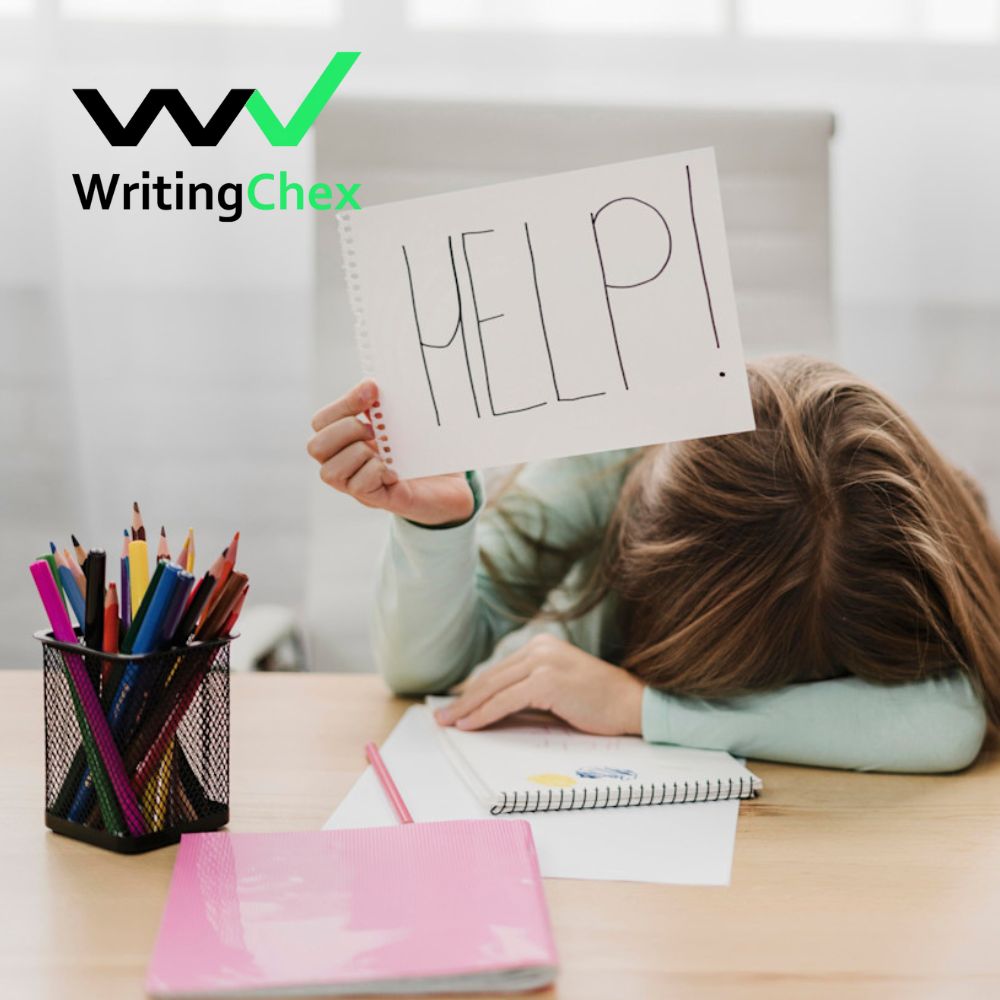
IELTS test anxiety affects many candidates worldwide, often turning a manageable exam into a daunting ordeal. According to research, around 69% of students report that preparing for the IELTS brings significant anxiety, stemming from high stakes like university admissions. This anxiety can manifest as racing thoughts, physical tension, or even blanking out during the test. However, with targeted strategies, you can transform this stress into focused energy.
Statistics reveal that moderate levels of test anxiety are common, with mean anxiety scores around 39.20 on standardized scales during IELTS exams. For non-native English speakers aged 18-35 from regions like India, China, and the Middle East, these pressures are amplified by cultural expectations and limited access to resources. The good news? Practical techniques can reduce anxiety by up to 30-40% through consistent practice, as supported by studies on test preparation.
In this detailed guide, we’ll explore consequential steps to address IELTS test anxiety, from understanding its roots to implementing daily habits for lasting calm. By applying these methods, you’ll not only feel more confident but also improve your overall performance across listening, reading, writing, and speaking modules.
Ready to enhance your IELTS writing skills instantly? Check your essays for free with our AI-powered tool today!
Understanding the Causes of IELTS Test Anxiety
To effectively overcome IELTS test anxiety, it’s essential to first identify its underlying causes. This knowledge serves as the foundation for targeted interventions, leading to reduced stress and better exam outcomes.
Common triggers include fear of failure, time pressure during the test, and unfamiliarity with the exam format. For instance, many candidates worry about achieving a specific band score for visa or academic purposes, which heightens emotional strain.
Research shows a weak to moderate correlation between test anxiety and performance, where higher anxiety often leads to lower scores in modules like speaking and writing.
- Psychological Factors: Perfectionism and negative self-talk can amplify anxiety. A student might think, “If I don’t get a 7.0, my dreams are over,” creating unnecessary pressure.
- Environmental Influences: Noisy test centers or last-minute travel can exacerbate nerves. In one study, at-home testing reduced anxiety compared to in-center exams.
- Preparation Gaps: Inadequate practice in timed conditions leaves candidates feeling unprepared, fueling doubt.
By recognizing these causes, you can address them logically.
The Impact of Anxiety on IELTS Performance
IELTS test anxiety doesn’t just affect your mindset—it directly influences your test results. Understanding this impact highlights the importance of mitigation strategies for optimal performance.
High anxiety can impair cognitive functions, leading to slower reading comprehension or hesitant speaking. Studies indicate that anxious test-takers score lower on listening tasks due to divided attention. In fact, anxiety accounts for up to 20% variance in IELTS scores, particularly in high-stakes environments.
- Cognitive Effects: Anxiety reduces working memory, making it harder to recall vocabulary or structure essays.
- Physical Symptoms: Sweating, rapid heartbeat, or shaky hands can distract during writing or speaking.
- Long-Term Consequences: Chronic anxiety may lead to burnout, delaying retakes and increasing costs.
Breathing Exercises to Reduce IELTS Test Anxiety
One of the most immediate techniques for managing IELTS test anxiety is through breathing exercises. These methods activate the parasympathetic nervous system, promoting calm as a direct result of physiological changes.
Deep breathing can lower heart rate within minutes, making it ideal for pre-exam jitters. Research supports that such strategies reduce test anxiety and improve listening performance in IELTS.
- 4-7-8 Breathing: Inhale for 4 seconds, hold for 7, exhale for 8. Practice daily to build resilience.
- Box Breathing: Inhale, hold, exhale, and pause for 4 counts each, visualizing a square.
- Diaphragmatic Breathing: Place a hand on your belly, breathe deeply to expand it, reducing shallow chest breathing.
Mindfulness and Meditation Techniques for Confidence
Mindfulness practices foster mental clarity, resulting in greater confidence during the IELTS. As a logical extension of breathing, meditation trains the mind to stay present, countering anxiety’s future-focused worries.
Regular mindfulness can decrease anxiety symptoms by 25-30%, according to educational studies. For IELTS takers, this means better focus on reading passages or essay planning.
- Guided Meditation Apps: Use apps like Headspace for 10-minute sessions tailored to exam stress.
- Body Scan Meditation: Lie down, mentally scan your body for tension, releasing it progressively.
- Mindful Walking: Combine movement with awareness, ideal for breaks during study.
Preparation Strategies to Build Confidence
Thorough preparation logically leads to reduced IELTS test anxiety by minimizing unknowns. Structured study plans create a sense of control, essential for confident performance.
Simulating exam conditions at home can cut anxiety by familiarizing you with the format. Aim for 20-30 practice tests to track progress.
- Create a Study Timetable: Allocate time for each module, including breaks to prevent burnout.
- Target Weak Areas: Focus on low-scoring sections first, using resources like official IELTS practice books.
- Group Study Sessions: Discuss topics with peers to build verbal confidence for speaking.
Boost your IELTS preparation – get free, instant feedback on your writing with our AI essay checker!
Positive Visualization and Affirmations
Positive visualization techniques result in heightened confidence by reprogramming the subconscious mind. This method, used by athletes, applies equally to IELTS takers for overcoming test anxiety.
Visualizing success can improve performance by 15-20%, as per psychological insights.
- Daily Visualization: Spend 5 minutes imagining acing each module, feeling the relief.
- Affirmations: Repeat phrases like “I am calm and prepared for my IELTS success.”
- Journaling Wins: Note past achievements to reinforce positive self-belief.
Lifestyle Changes for Long-Term Anxiety Reduction
Sustainable lifestyle adjustments have consequent benefits in managing IELTS test anxiety, promoting overall well-being for peak performance.
Physical activity and nutrition play key roles; exercise reduces stress hormones by 20-30%.
- Regular Exercise: Aim for 30 minutes daily, like walking or yoga, to release endorphins.
- Balanced Diet: Include omega-3s and avoid caffeine overload to stabilize mood.
- Sleep Hygiene: Ensure 7-9 hours nightly; poor sleep amplifies anxiety.
Achieve your IELTS goals – use our free online AI IELTS writing checker for expert insights now!
Conclusion
Overcoming IELTS test anxiety requires a multifaceted approach, from breathing exercises and mindfulness to robust preparation and lifestyle tweaks. By implementing these practical techniques, you’ll experience resultant calm, confidence, and improved band scores. Remember, anxiety is common but conquerable—many have transformed their experiences into success stories.
Start applying these strategies today, and watch your performance soar. For more resources, explore IELTS official guides or community forums.
FAQs
What is the most common cause of IELTS test anxiety?
The primary cause is fear of not achieving the required band score, often linked to high stakes like education or migration. Time pressure and unfamiliar formats also contribute significantly.
How can breathing exercises help during the IELTS exam?
Breathing techniques like 4-7-8 reduce immediate physical symptoms of anxiety, allowing clearer thinking and better focus on tasks such as listening or speaking.
Is mindfulness effective for long-term IELTS preparation?
Yes, regular mindfulness builds resilience against stress, improving concentration and reducing overall test anxiety over time, as evidenced by multiple studies.
Can lifestyle changes really impact my IELTS performance?
Absolutely—consistent exercise, diet, and sleep enhance cognitive function, leading to better retention and calmer execution during the exam.
Where can I find more resources to overcome IELTS test anxiety?
Check official IELTS websites, apps like Calm for meditation, or try tools like our free AI writing checker for targeted practice in order to prepare for the final exam.